


If you use your car for work or business in Canada, we need to talk about mileage logs.
They’re one of those things nobody really wants to deal with, until tax season rolls around or the CRA comes knocking. But here’s the truth: keeping a simple record of where you drive and why can save you money, stress, and even protect you in case of an audit.
Let’s kick things off with why mileage tracking is way more important than most people realize.
Why Keeping a Mileage Log Matters in Canada
Let’s be honest, keeping track of every trip you make for work isn’t exactly thrilling. But when it comes to claiming vehicle expenses on your taxes, it’s one of the most important habits you can build.
The Canada Revenue Agency (CRA) doesn’t just want to know that you used your car for business, they want proof. That proof comes in the form of a detailed mileage log. Without it, you could lose out on valuable deductions or, worse, have your entire claim denied during an audit. And yes, CRA audits do happen, especially when vehicle expenses are involved.
But here’s the upside: when you do track your mileage properly, you can confidently write off a portion of your fuel, maintenance, insurance, lease payments, and more. That can add up to hundreds or even thousands of dollars a year, depending on how much you drive for business.
Bottom line? A mileage log isn’t just paperwork, it’s your backup, your defense, and your ticket to getting the tax savings you’ve actually earned.
What the CRA Requires in a Mileage Log
The CRA isn’t vague about this, they lay out exactly what they want to see in your mileage records. And while the list isn’t complicated, skipping even one piece could raise a red flag if you ever get audited.
Here’s what your mileage log should include:
- The starting and ending odometer readings for the year (January 1 and December 31)
- Total kilometers driven during the year (business + personal)
- Every business-related trip, with these key details:
- Date of the trip
- Destination (city or address is fine)
- Purpose of the trip (client meeting, delivery, site visit, etc.)
- Number of kilometers driven
The CRA uses this information to calculate your business use percentage, which is the portion of your vehicle expenses you can actually claim. If you forget to record personal trips or don’t track your total yearly kilometers, your claim could be thrown off entirely.
It doesn’t have to be fancy, but it does have to be complete. Think of it like building a paper trail that leads directly to your tax deduction.
Different Ways to Keep a CRA-Compliant Mileage Log
The good news? The CRA doesn’t care how you track your mileage, just that you do. So whether you’re old-school with pen and paper or love a good app, you’ve got options.
1. Physical logbooks
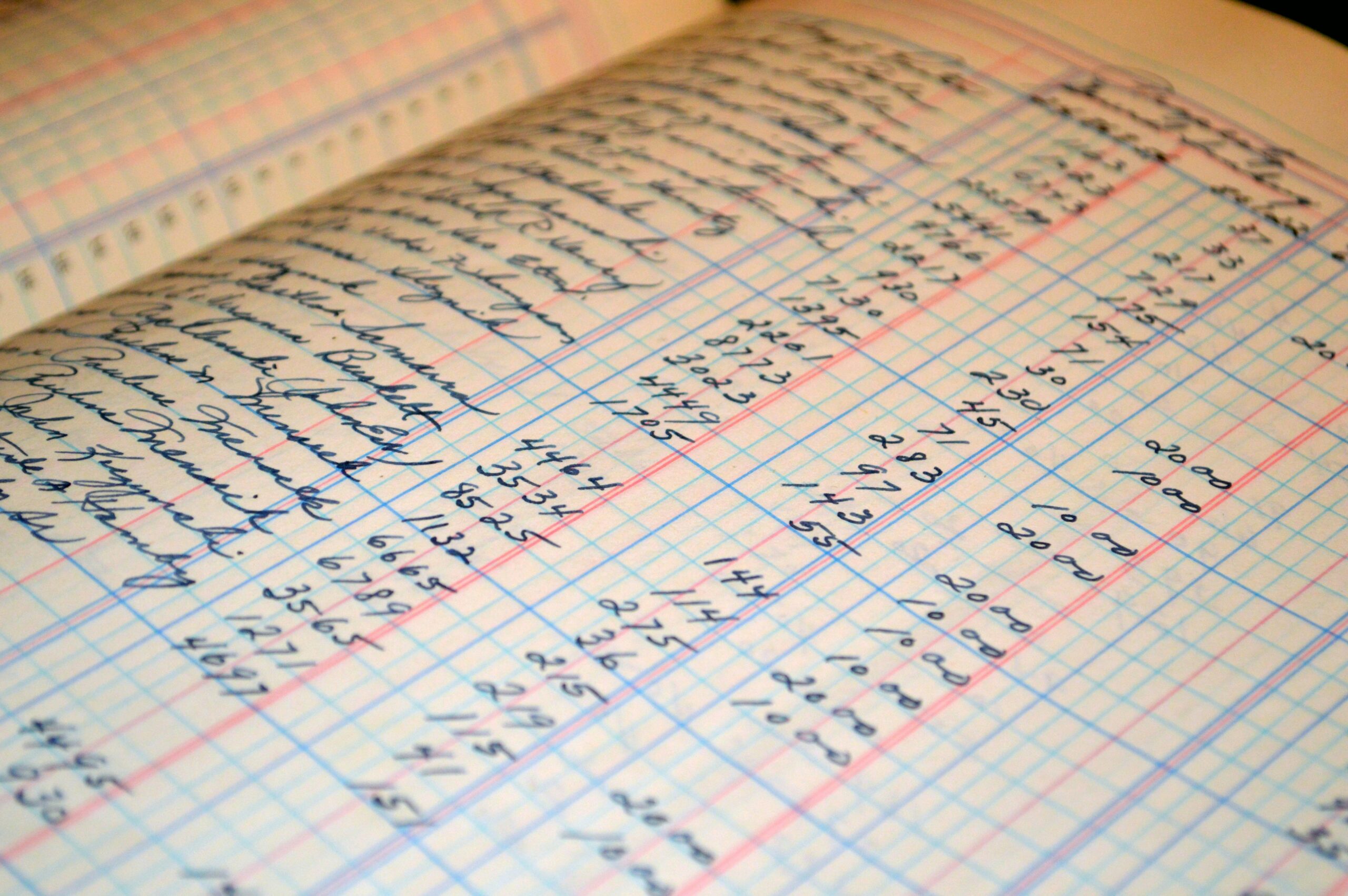
This is the classic approach. Just grab a notebook and jot down each trip as it happens. It’s low-tech, but it works, as long as you’re consistent. The downside? It’s easy to forget to log, and losing the notebook means losing your entire record.
2. Spreadsheets
Some people like the control and flexibility of a simple Excel or Google Sheets log. You can set it up once, reuse it every year, and even total up kilometers automatically with formulas. Just make sure it includes all the details the CRA requires: date, destination, purpose, and distance.
3. Mobile mileage tracking apps
This is where things get easier. Apps like MileIQ, Everlance, or TripLog automatically track your trips using GPS. Most let you categorize drives as business or personal with a quick swipe. Bonus: many of them generate CRA-compliant reports you can download at tax time.
So, what’s best?
The best system is the one you’ll actually stick with. If you’re on the road often, an app might be a lifesaver. If you rarely drive for business, a simple spreadsheet or notebook might do the trick.
Tips for Making Mileage Tracking Easier and More Accurate
Even with the best tools, it’s easy to let mileage tracking slide. But a few small habits can make the whole process feel less like a chore, and help you stay CRA-ready all year long.
Make it part of your routine
Just like brushing your teeth or checking email, logging your drives works best when it becomes second nature. Whether it’s right after each trip or at the end of the day, pick a time and stick with it.
Sync with your calendar
Got a packed schedule of client meetings, site visits, or deliveries? Use your calendar as a backup to fill in any missed mileage. It’s also helpful when the CRA wants proof of what you were doing on a certain day.
Set a monthly reminder to review
Take five minutes at the end of each month to check your log. Look for any gaps, add missing details, and make sure your odometer readings look right. It’s way easier to fix things now than scrambling during tax season.
Back everything up
If you’re using an app or spreadsheet, make sure your records are stored safely, think cloud backups or an external hard drive. If you’re using a physical book, keep it somewhere you won’t lose it (and maybe snap a photo once in a while, just in case).
Mileage tracking doesn’t have to be perfect, but it does have to be consistent.
Real Consequences of Poor Record-Keeping (And Real Benefits of Doing it Right)
Here’s where things get real. If your mileage log is sloppy, or worse, nonexistent, the CRA can deny your entire motor vehicle expense claim. That means no write-offs for gas, insurance, maintenance, or lease payments. And if they think you’re guessing or overestimating? You might even get hit with penalties or interest.
Plenty of people have learned this the hard way. In past CRA audits, claims have been rejected simply because:
- The mileage log was incomplete or missing key details
- Business and personal drives weren’t separated
- There was no starting or ending odometer reading for the year
And it’s not just about what you lose, it’s also about what you gain when you track things properly.
With a reliable mileage log:
- You can confidently claim every dollar you’re entitled to
- You’ll have solid proof to back up your numbers if the CRA ever comes calling
- Your accountant (or tax software) will love you
Keeping a proper mileage log might feel like a hassle at first, but it’s one of the easiest ways to protect your deductions and avoid stress at tax time.
Mileage logs might seem like a small detail, but they carry a big weight come tax time.
We covered why it’s so important to track your business drives, what the CRA expects from your mileage records, and the different ways you can keep a log that actually works for your lifestyle. Most importantly, we looked at how a little consistency can protect you from audits and help you claim every dollar you’re owed.
One final tip: don’t wait until the end of the year to get your system in place. Start fresh at the beginning of the year with a clear odometer reading and a method that fits how you work—whether that’s an app, a spreadsheet, or a notebook in the glovebox.